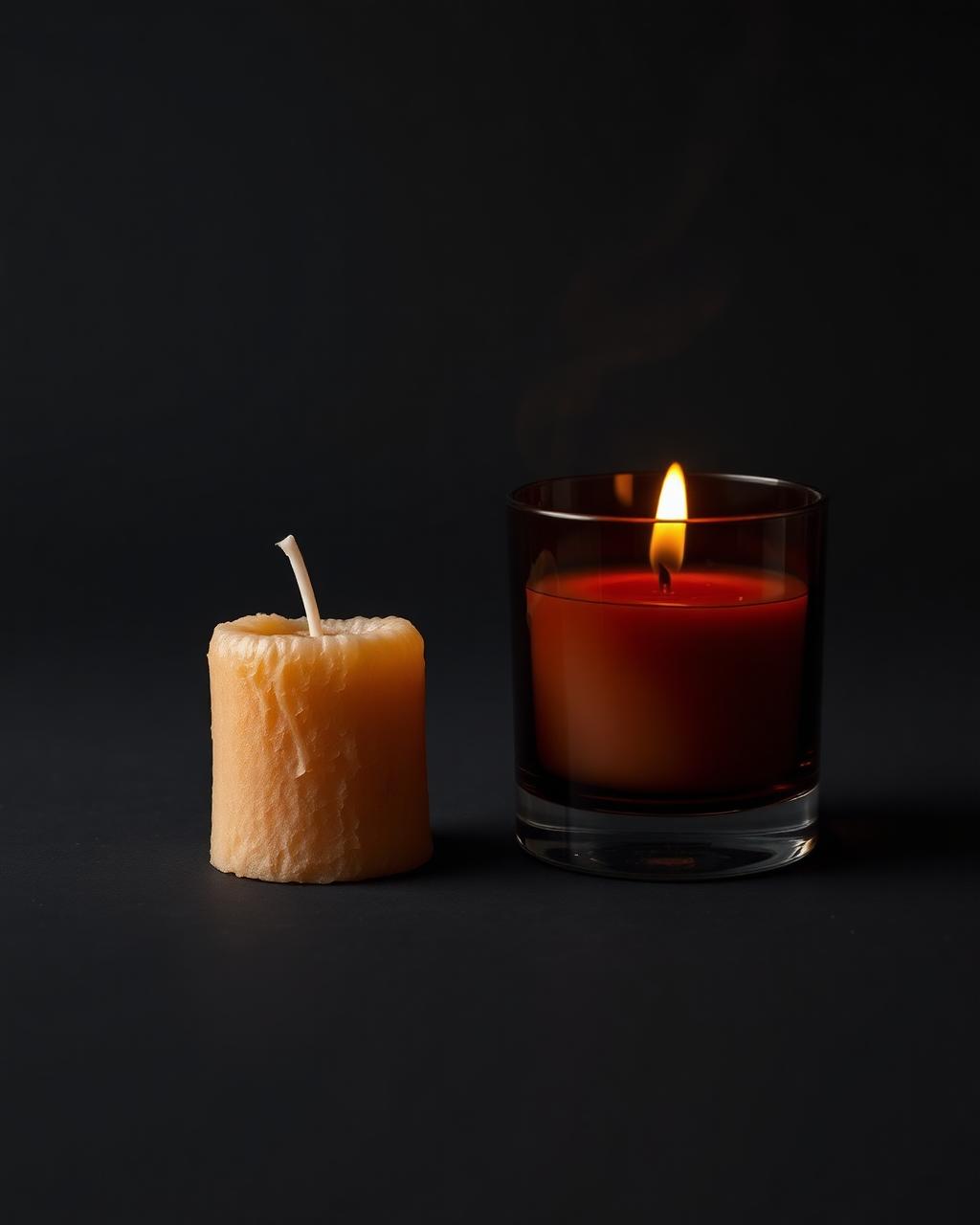
The First Luxury Candles Ever Made
The first luxury candle was not scented, decorated, or packaged. It was simply clean. In a world lit by burning animal fat, a candle that did not stink was the entire luxury proposition.
Beeswax was the original premium material. It burns near 1,470°F with a warm, steady flame, produces almost no soot, and carries a faint honeyed sweetness rather than the rancid note of tallow. It was also scarce: a hive yields a fraction of wax to honey, so beeswax candles were priced accordingly and largely reserved for the church and the aristocracy. Medieval wills list them as bequests. English guilds separated the trades entirely — the tallow chandlers and the wax chandlers were distinct companies, with distinct customers and distinct social standing.
The next escalation came from the sea. In the 1740s, chandlers in Rhode Island and New England began refining spermaceti, the waxy substance harvested from the head cavity of the sperm whale. Spermaceti candles burned brighter and harder than beeswax, held their shape in summer heat, and gave off effectively no smell. They were so consistent that the unit of luminous intensity — the candlepower — was defined against a pure spermaceti candle burning at a fixed rate. A brutal industry, and an extraordinary product.
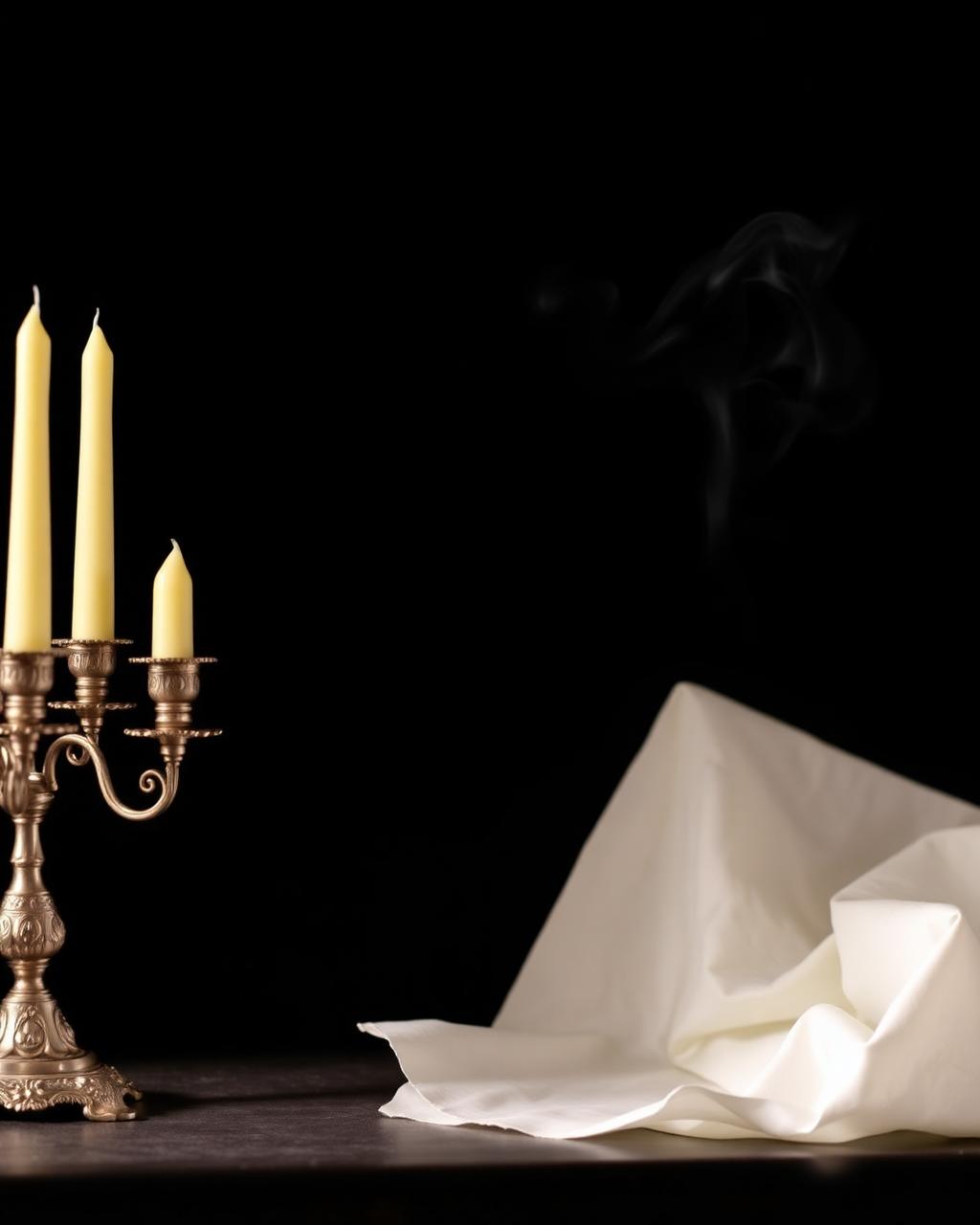
By the eighteenth century the object had fully crossed over into display. Parisian and Viennese houses commissioned candles in matched sets, sized to specific candelabra, sometimes tinted or gilded at the base. The point was no longer light. Anyone could have light. The point was that your light was better than the room next door's — brighter, whiter, silent, odourless, and expensive in a way your guests could recognise from across the table.
That instinct never went away, it just changed materials. What a fragrance house sells now is closer to what a wax chandler sold then: a controlled, deliberate quality of burn that says something about the person who chose it. See also the companion piece on how candles went from necessity to luxury.