The Forgotten History of Candles Before Electricity
For most of human history, light was something you bought by the hour — and most people could not afford much of it.
Read →
Notes from LIMITED. How the candles are made, why small batches, and how to get the most from every burn.
For most of human history, light was something you bought by the hour — and most people could not afford much of it.
Read →
Beeswax, whale oil, and a Parisian obsession with clean light — how the candle became a status object.
Read →
In Rome, a flame lit at noon was not for seeing. It was a signal — of household gods, of status, of a boundary being crossed.
Read →
Electricity should have killed the candle. Instead it freed it to become something else entirely.
Read →
There is no single answer — and the reason why says something about what a candle actually is.
Read →
In 1848, a British chemist proposed that everything worth knowing about science could be found in a burning candle. He was mostly right.
Read →
Smell is the only sense wired directly into the brain's memory system. That single shortcut explains a great deal.
Read →
Scent moves mood, judgement and behaviour faster than we can reason about it — and usually below the threshold of noticing.
Read →
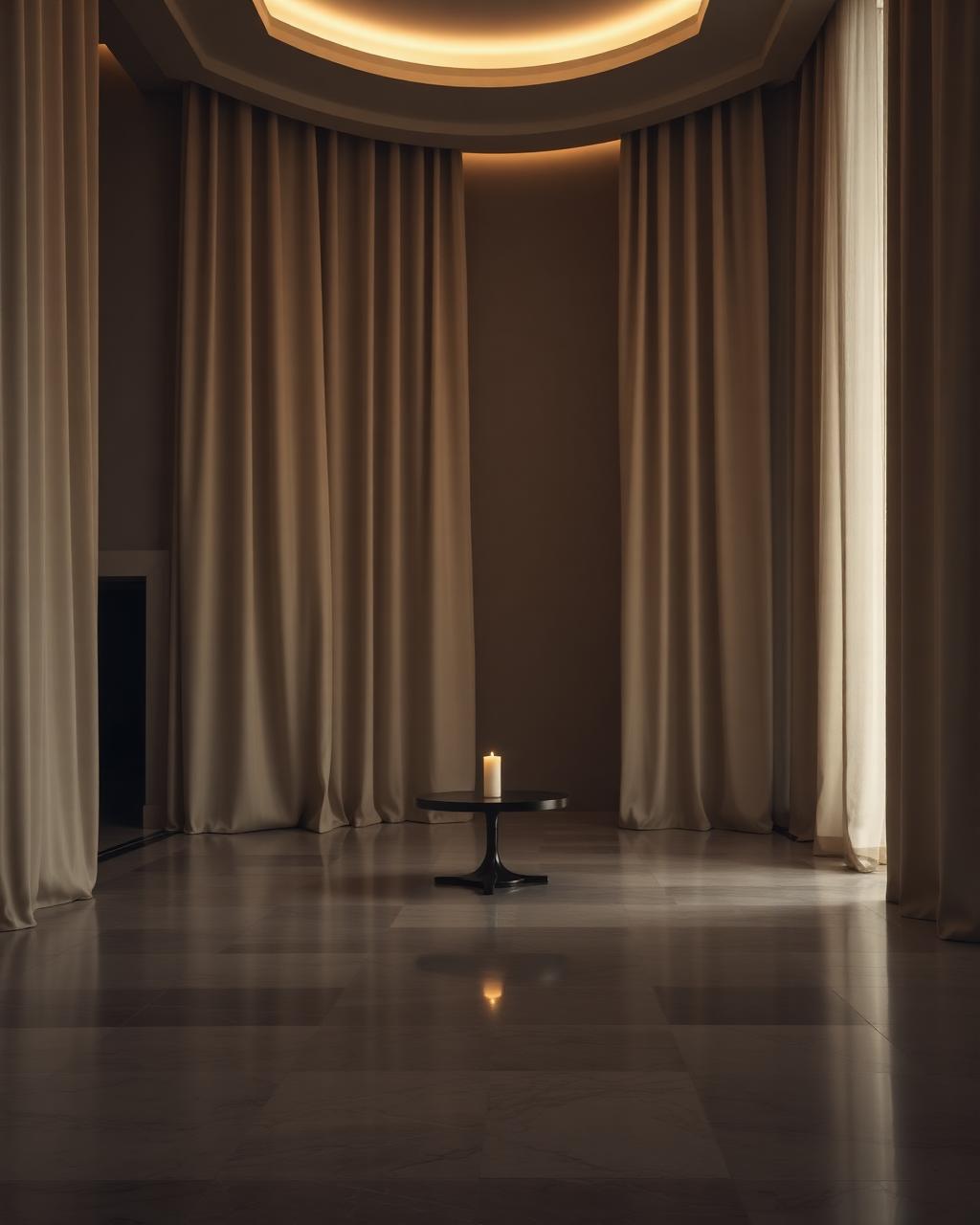
It is not one trick. It is roughly six, and most of them have nothing to do with fragrance.
Read →
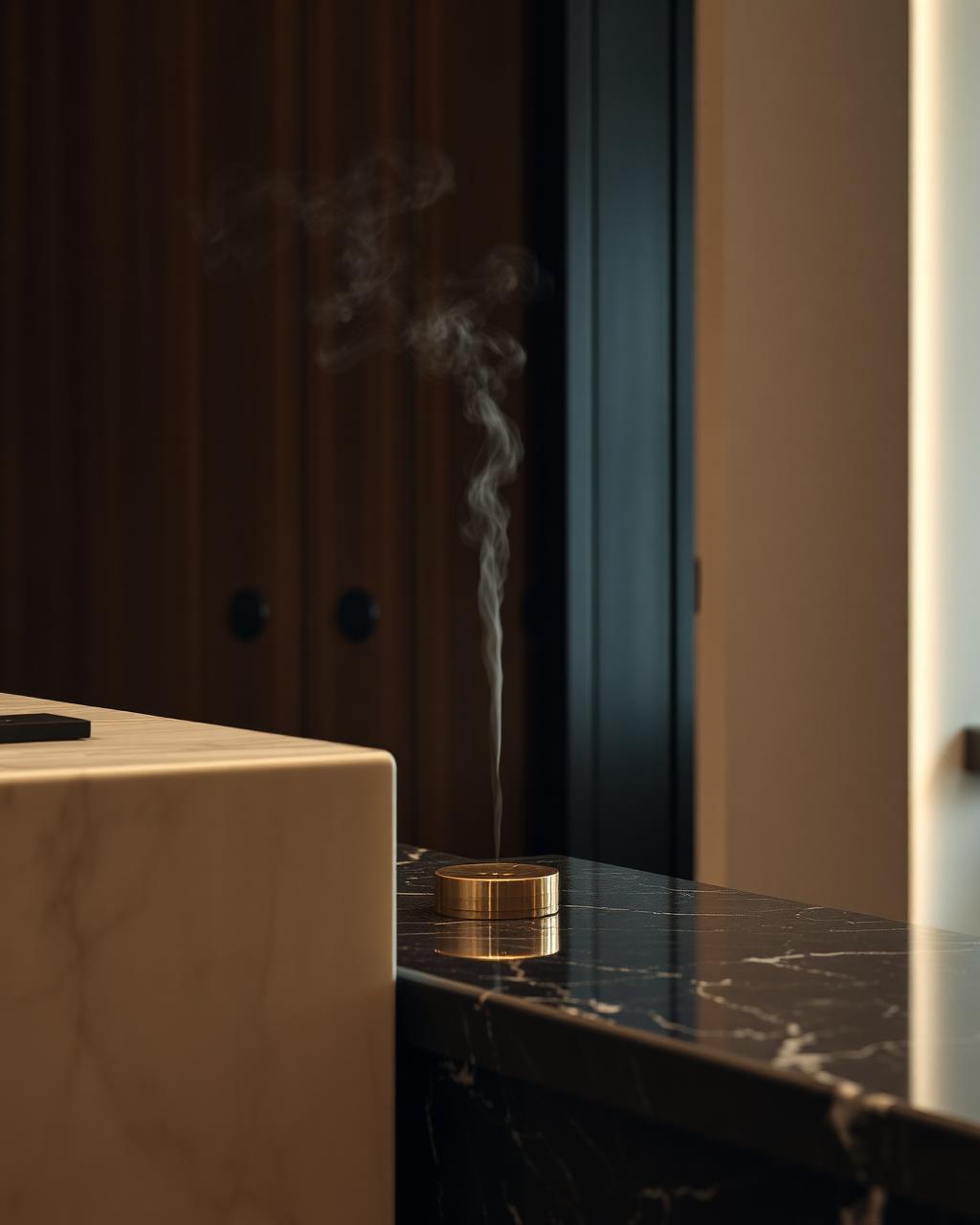
Scent marketing began as one hotel's experiment in 2006. It is now a standard line item in luxury hospitality.
Read →

Interior designers treat fragrance as a material with weight, placement and proportion — not as a finishing touch.
Read →
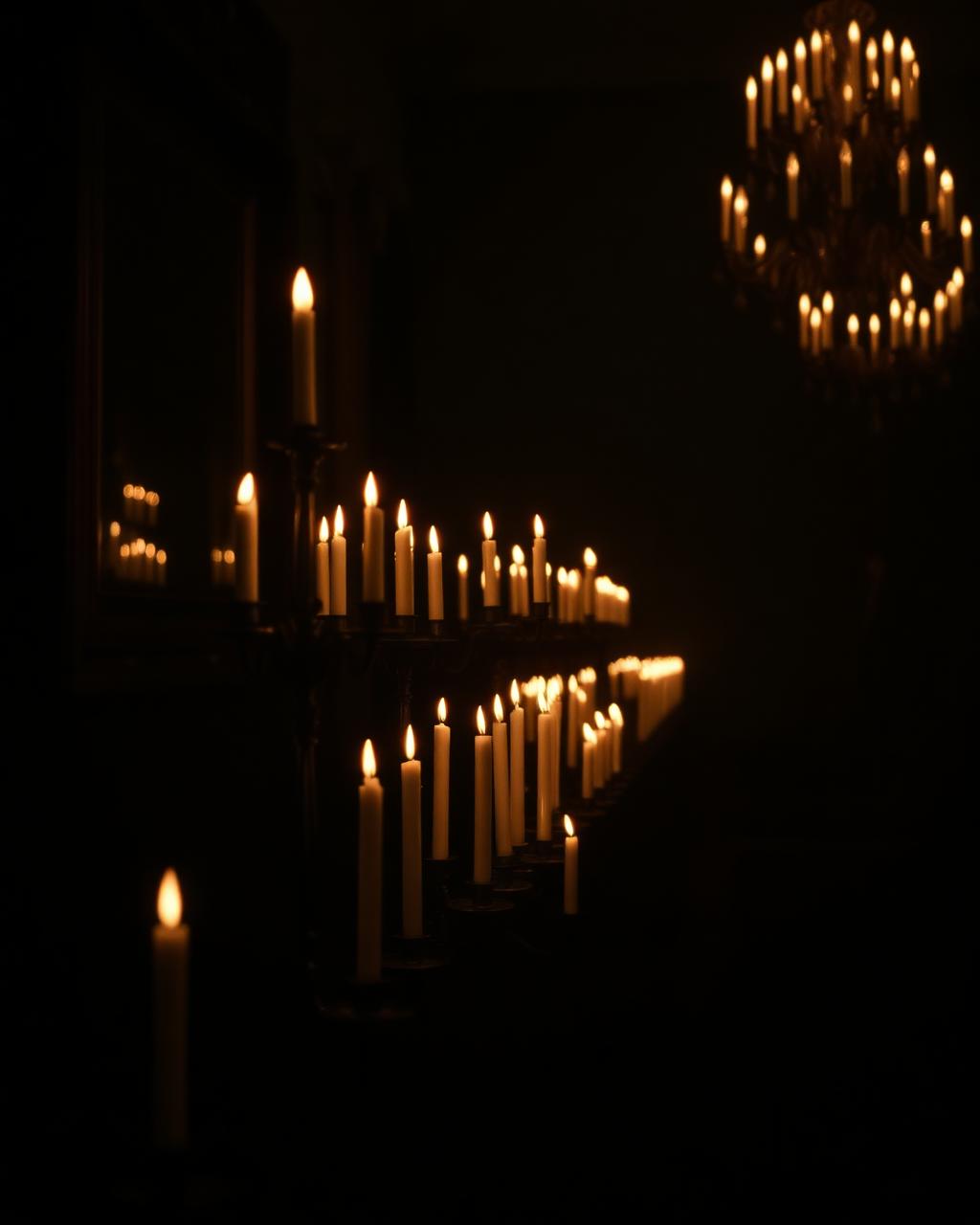
One director spent three years and a NASA lens proving a film could be shot by candlelight. Cinema has been borrowing it ever since.
Read →
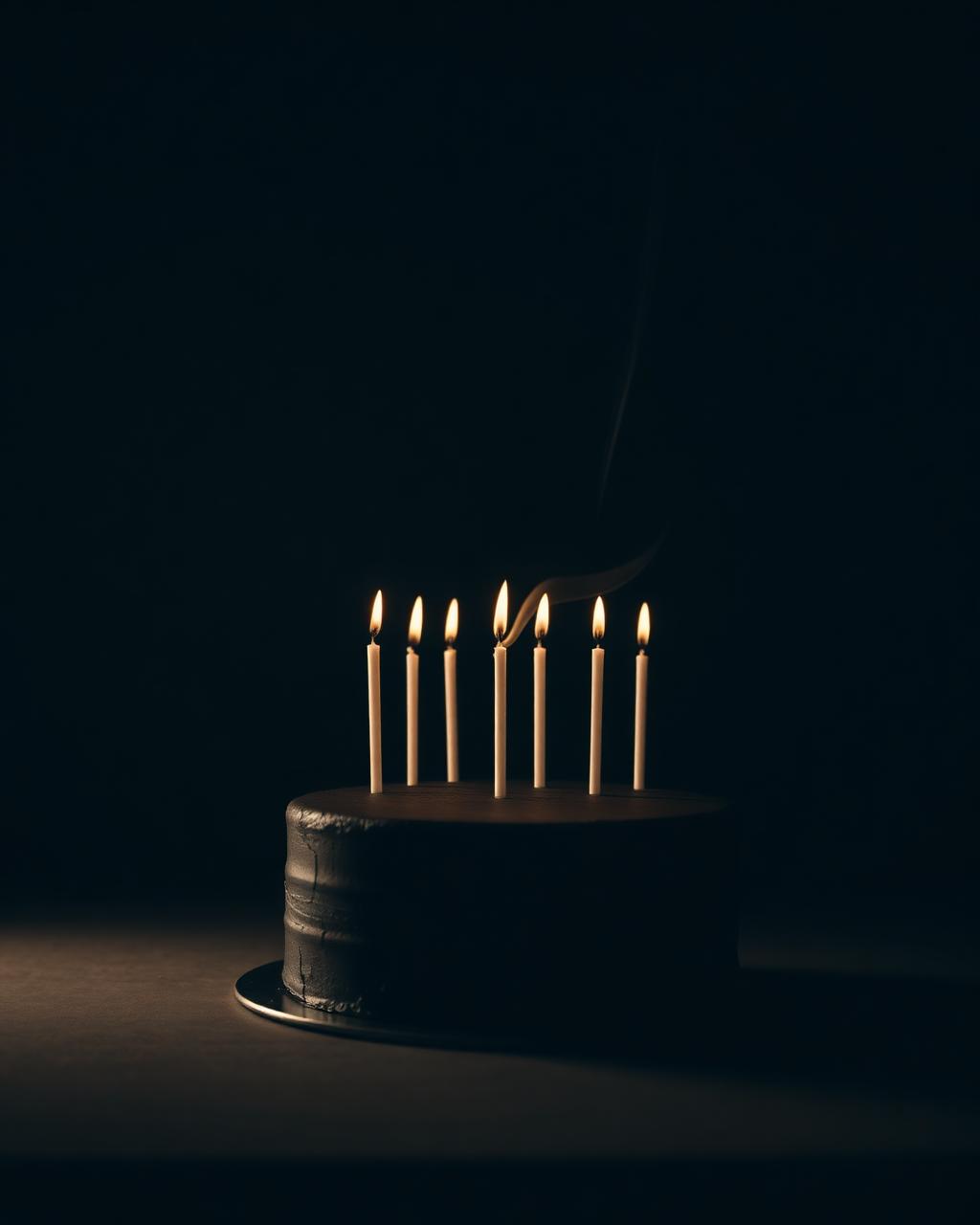
Ancient Greece, eighteenth-century Germany, and a ritual almost everyone performs without ever asking where it came from.
Read →
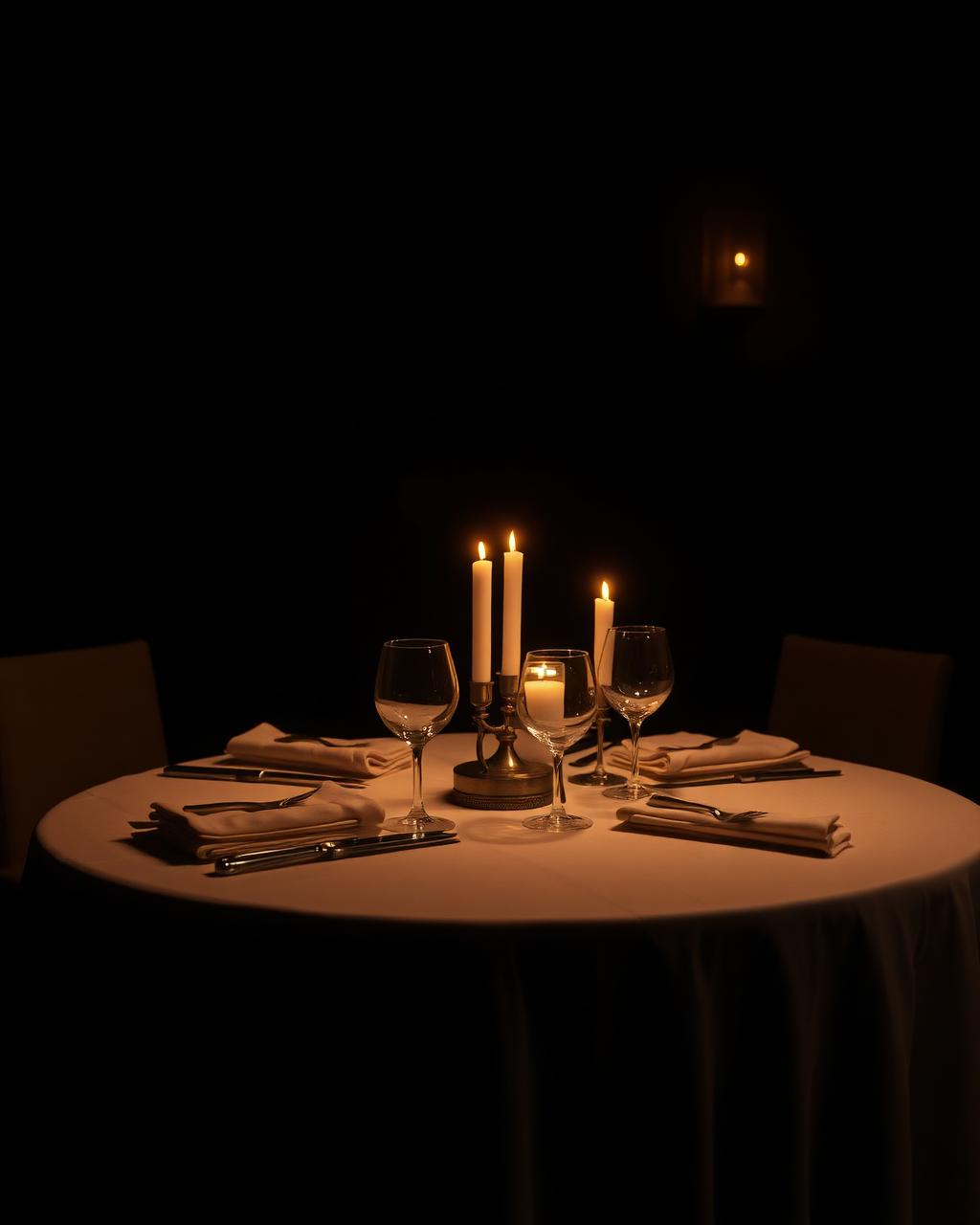
Colour temperature, pupil dilation, and the specific way a flame handles a human face.
Read →